




'What was their crime?': BBC visits Iran school where strike killed 120 children
 ByNawal Al-MaghafiSenior international investigations correspondent, Reporting fromMinab, southern Iran
This report contains distressing descriptions of the deaths of children.
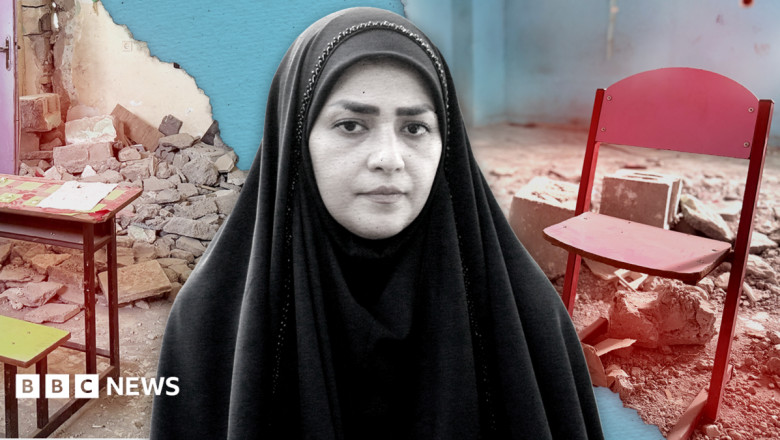
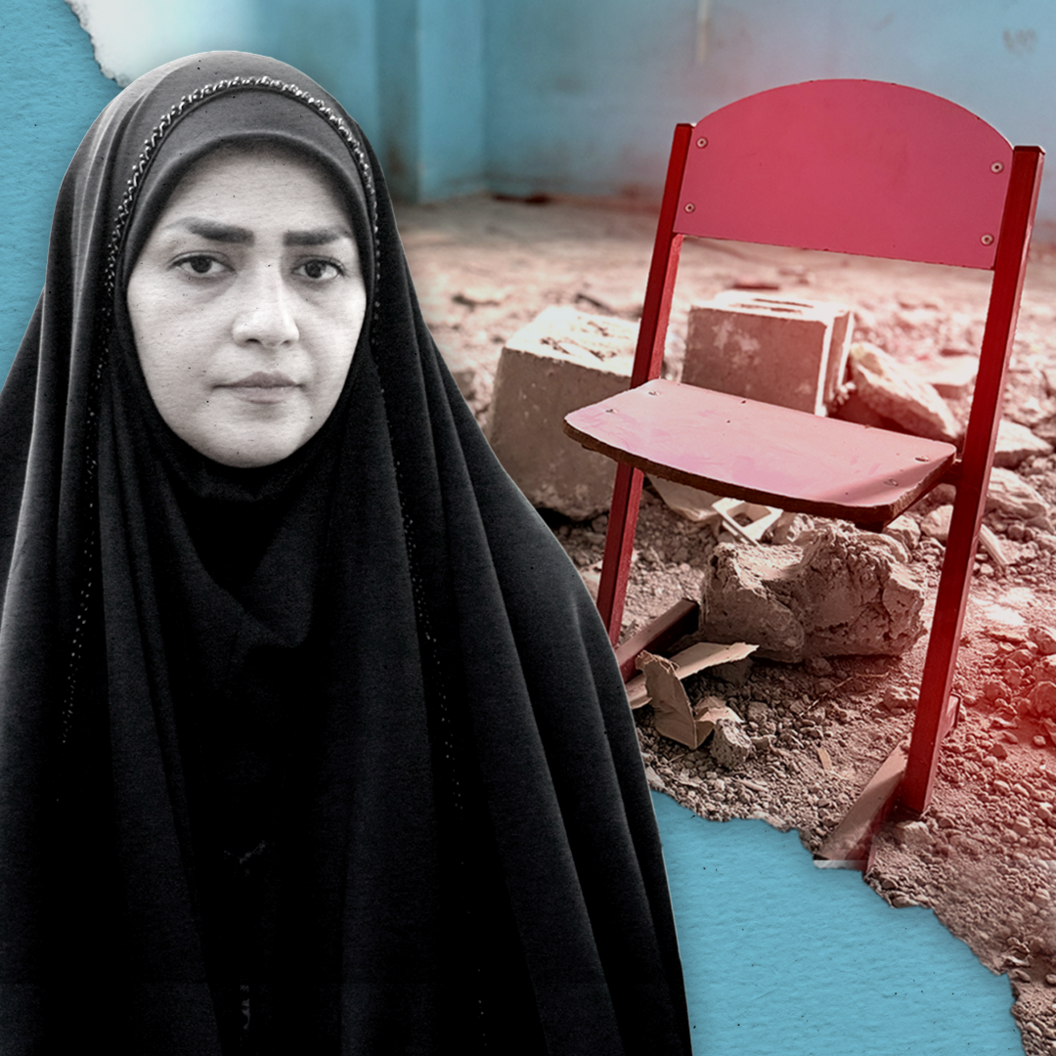
Amaineh Nademi walks carefully through what is left of her old school. Chunks of broken concrete hang precariously from the damaged upper floor. A few classrooms are still standing, their brightly coloured walls decorated with painted balloons and flowers.
The 33-year-old teacher knows exactly what was where - the girls' classrooms on the upper floor, the boys' classrooms below, the headteacher's office, the prayer room.
Rubble is all that remains of her classroom, where she taught first-grade girls at Shajareh Tayyebeh Primary School in Minab, a small city in southern Iran.
Also, information indicating the site was a school was publicly available online. Archived snapshots of the websites for the girls' and boys' sections of the school – taken in the months before the attack - include the address of the site.
The head of Centcom told a congressional committee in May, without giving further detail, that the investigation was "complex" as the school was "on an active IRGC cruise missile base" – which Iran's foreign ministry rejected as a "baseless fabrication".
The IRGC runs some community and medical facilities in addition to its extensive military, security and economic activities. Local residents have told BBC Persian that the site had previously been a base for an IRGC naval brigade, but that they believed its military use had ceased several years ago. Photographs show buildings on the compound included a clinic and a car wash.
The BBC approached the Department of Defense and the US military for comment. Officials said the investigation was ongoing and there were no further updates.
A short drive from the ruined school is the cemetery where many of the pupils and teachers are buried.
Every evening, families gather beside the graves. Mothers wipe dust from photographs of their children. Parents sit and pray long after darkness has fallen.
Around them, brothers and sisters play between the headstones of siblings whose lives were cut short.
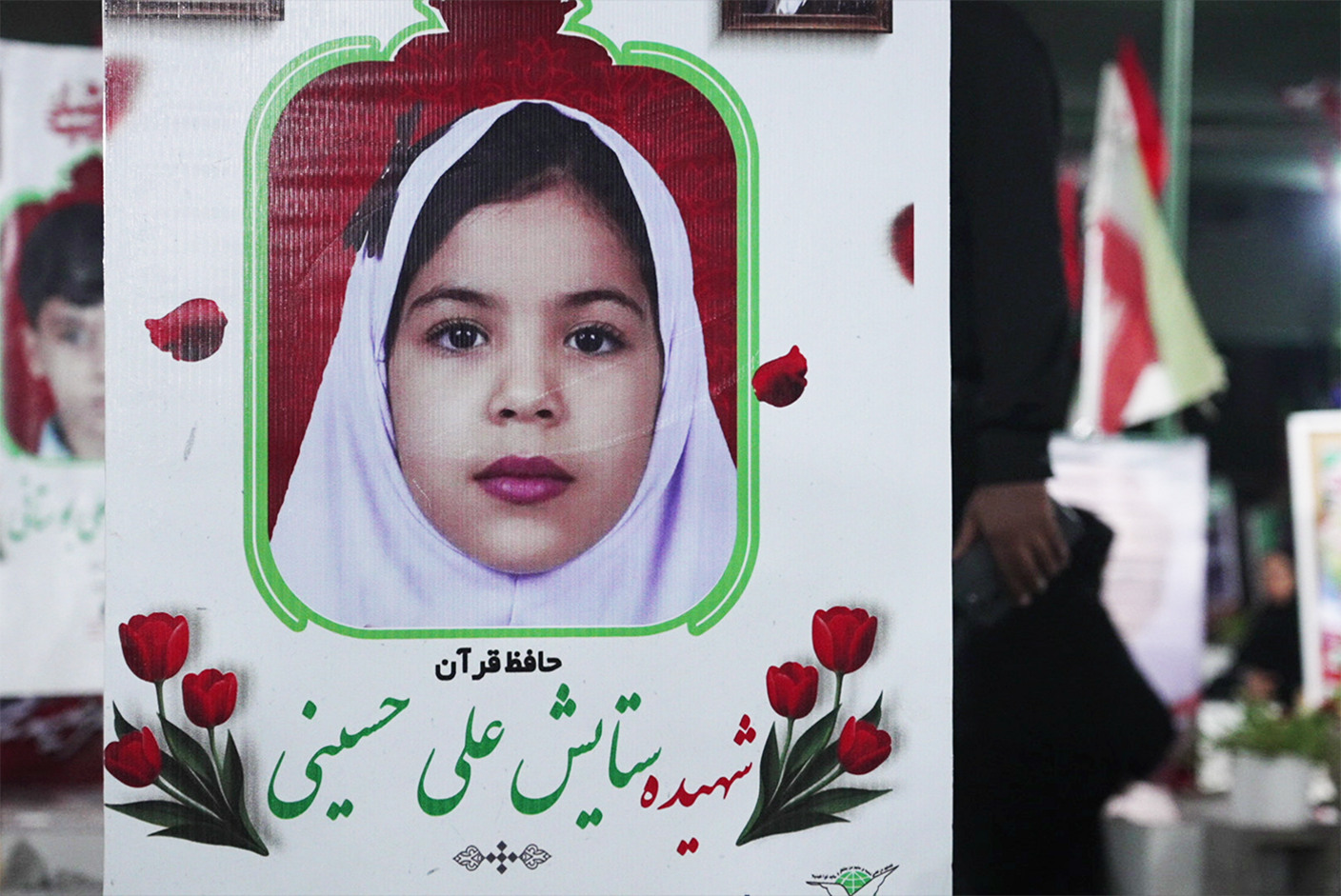 Image source, JACK GARLAND / BBCImage caption,
Nine-year-old Setayesh wanted to be a teacher, her mother says
Masoumeh Mehran Shekhabadi comes to visit her nine-year-old daughter, Setayesh, every day, often staying long into the night.
She was among the parents who ran to the school after the strike. "There was no school," she says, her voice breaking. "There was only smoke, children's hair, a hand on one side, a foot on the other. They had been torn to pieces."
Masoumeh adds: "I kept calling out, not only to Setayesh, but to all the children: 'Children, where are you?'"
Setayesh's family did not receive confirmation of her death until the early hours of the following morning, Masoumeh says. She remembers being repeatedly asked what colour socks the child had been wearing, and replying that they were cream. Setayesh was then identified by her socks, she says.
The nine-year-old had wanted to be a teacher, her mother adds. "She would line up her dolls on the couch and say: 'I am your teacher. I'm in primary school now, so I am a teacher.'"
As for many parents here, grief has become intertwined with anger. "May Trump be destroyed, so these children's blood is not wasted," Masoumeh says.
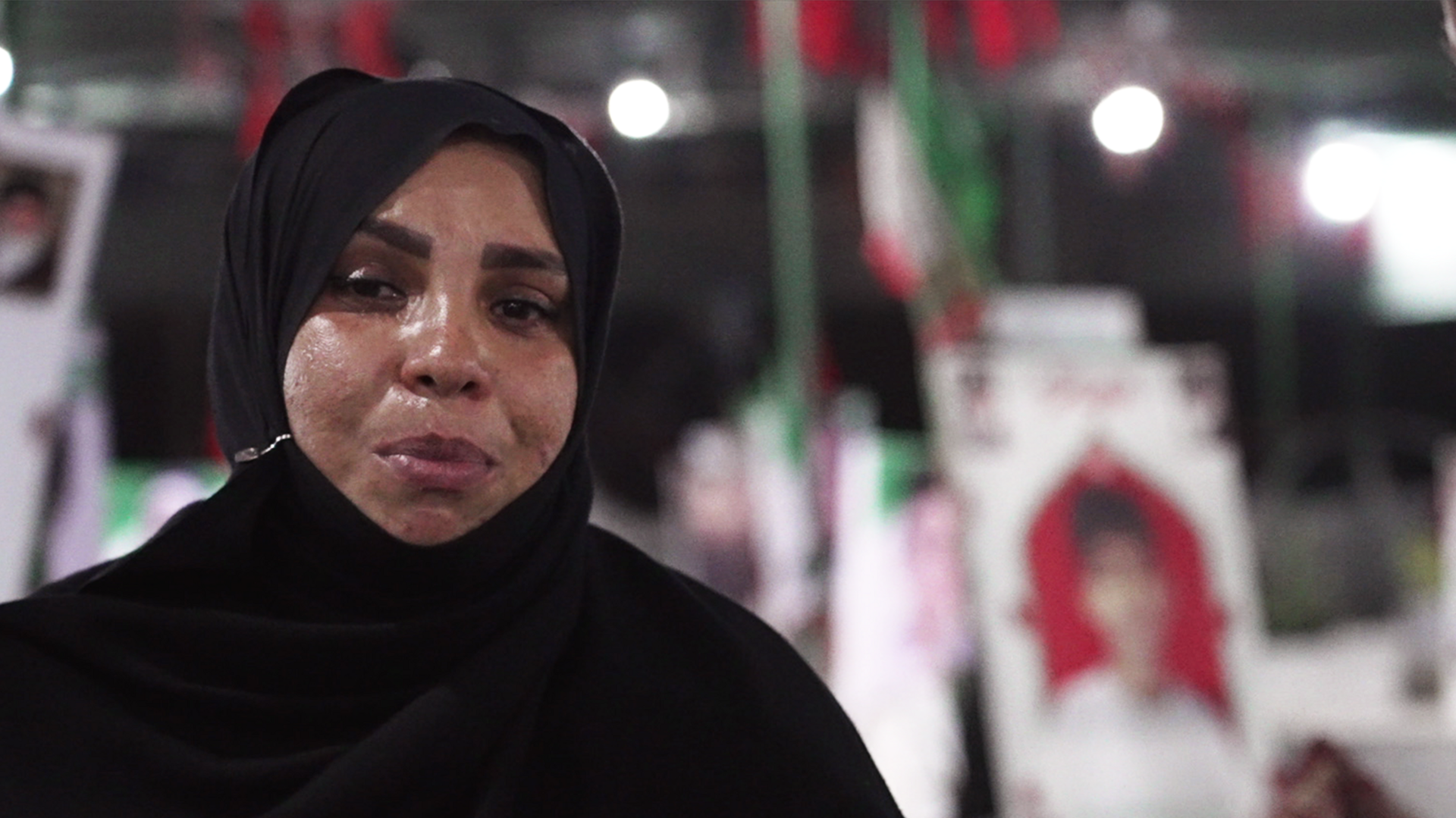 Image source, JACK GARLAND / BBCImage caption,
Masoumeh says she remembers rushing to the school to find it destroyed and children "torn to pieces"
Iran's government has repeatedly invoked Minab in speeches, international forums and state media coverage - even naming a plane carrying negotiators "Minab-168", in reference to the death toll previously given by officials.
The attack offers the Islamic Republic a powerful counter-narrative to Washington's description of its campaign.
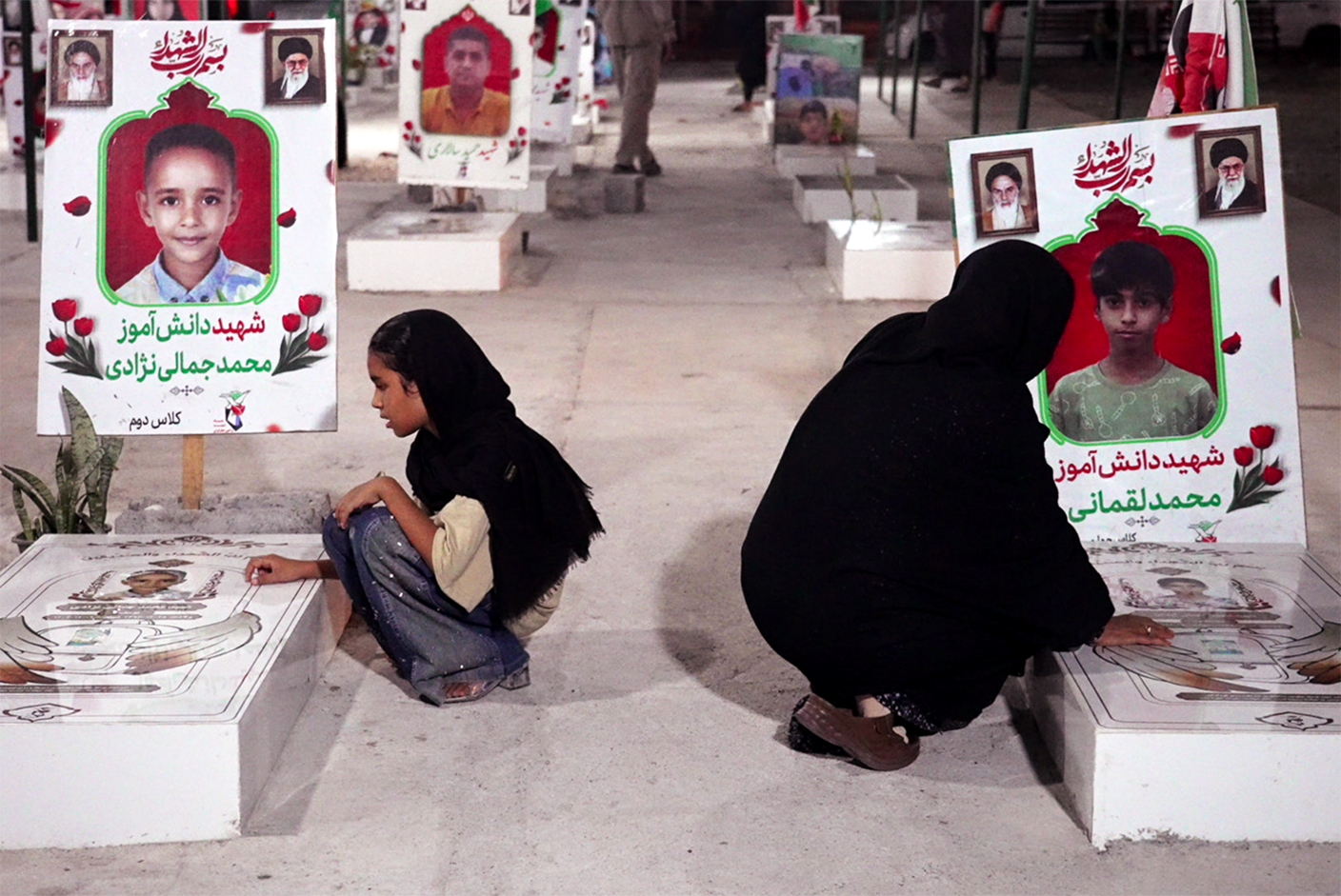 Image source, JACK GARLAND / BBCImage caption,
Every evening, families visit the graves of loved ones killed in the strike
The war has divided Iranians. Some celebrated when the air strikes began, angered by the government's history of detaining dissidents and using lethal force during repeated waves of protest. They hoped military pressure from outside might finally weaken or even bring down the regime.
Some opponents of the government have told the BBC they saw the strike at Minab as a huge blow. It made the idea of a clean, surgical war impossible to sustain and allowed the authorities to present themselves as the defenders of the Iranian people against foreign attack.
In Minab, Amaineh visits the cemetery, walking among the graves of her former pupils.
On a nearby memorial wall are the faces of the children, staff and parents who left home that Saturday morning and never returned.
Setayesh's mother still sits beside the grave of her little girl.
"What was these children's crime? Did they carry weapons? A pencil, a book, a notebook and a schoolbag. They had no weapons… They'd gone to learn," she says.
Additional reporting by Jasmin Dyer
Nawal Al-Maghafi is reporting from Iran on condition that none of her material is used on the BBC's Persian Service. These restrictions apply to all international media organisations operating in Iran.













Comments
0 comment